
Messaggia con Ava - Il tuo consulente aziendale con IA

Ciao sono Ava, la guida con IA che darà la carica alla tua attività!
Se hai già un'attività o sogni di avviarne una, sono qui per aiutarti a realizzare la tua idea con l'aiuto di freelance supportati dall'IA. Condividi i tuoi obiettivi aziendali e insieme creeremo un progetto su cui i nostri talentuosi freelance potranno fare delle offerte. Dai vita alla tua idea!
Ho un'attività
Voglio avviare un'attività
Non è stato possibile inviare la conversazione alla tua email. Riprova più tardi per piacere.
Puoi salvare la tua conversazione al massimo ogni ora. Riprova più tardi per piacere.
La tua conversazione è troppo breve. Continua a discutere con Ava per abilitare il salvataggio.

Assumi
Manufacturing Design Engineers
esperti per qualsiasi lavoro
Milioni di persone usano Freelancer.com per dare vita alle loro idee.
Ha la fiducia dei marchi e delle startup di punta


Assumi Manufacturing Design Engineers



$15 all'ora

$16 all'ora


₹10 all'ora


$40 all'ora

$15 all'ora

$40 all'ora

₹20 all'ora

$12 all'ora
I clienti valutano i nostri Manufacturing Design Engineers
4.82 su 5
da 39.607 valutazioni
Come assumere un freelance eccezionale Manufacturing Design Engineer
Manufacturing design can also be referred to as design for manufacturing or you may know it as DFM. It is an engineering technique and it refers to the method of designing products so they are simple to manufacture. The aim of a successful design manufacturer is to design products that require minimal parts, minimum processes and can therefore be created at the lowest possible price.
While on the surface this may appear to be an easy goal to achieve, if you are in the engineering industry and looking for a designer then hiring a manufacturing designer whose profile is listed on Freelancer.com will provide many benefits to you. Their industry specific design and manufacturing skills will ensure that you are paying for the services of somebody who has intricate knowledge of all of the products and parts required to carry out your project. They will have tried and tested experience of the manufacturing processes involved which means that they won’t have to trial some ways to complete your project which will save you time and money in the long run.
Utilizing a freelancer who has the specific skills required to be a successful DFM will not only keep the long-term costs low for your business as the products that they design will make savings on overall manufacturing but it will also reduce your short-term budget as you will not have to pay any fees associated with hiring a permanent employee. If you are satisfied with the standard of work the freelance DFM delivers, and you have further projects that need completing you can either re-hire them or even offer them a permanent role, but there is no obligation, so this can be decided along with the needs of your business and dependent on their skillset matching those needs.
Another key benefit of hiring a manufacturing design specialist who can be found on Freelancer.com is that your company will reap the benefit of their technical skills and industry know-how without them having any input on the day-to-day running of your business. In such a specialized industry it is common for permanently employed designers to take into account other organizational factors when carrying out their design for manufacturing but a freelance DFM will not have any company knowledge or outside interests other than the project they have been recruited for.
If you are looking for a manufacturing design expert for your engineering project Freelancer.com has a community of thousands for you to choose from. Their skills and experience are all documented so you can select someone who has the specific skill set and industry experience required for your project to be completed in a cost and time effective manner.
In most cases a freelance DFM will have the facilities required to work from home so you won’t incur any additional costs by providing office and desk space meaning that all that will remain for you to do is review the success of your project!
If you are looking for a manufacturing design expert then look at Freelancer.com today to see how you can get started.

Freelancer Impresa
Il tuo budget aziendale? Ottieni di più spendendo meno
Ottieni di più dalla tua attività con i nostri 50 milioni di professionisti.

API di Freelancer
50 milioni di professionisti su richiesta
Perché assumere del personale quando puoi integrare il nostro cloud di talentuosi professionisti in tutta semplicità?
Come funziona l'assunzione di un Manufacturing Design Engineer

1. Pubblica un lavoro

2. Scegli dei freelance

3. Monitora l'avanzamento

4. Paga in sicurezza
Quindi, cosa aspetti?
Pubblica un progetto oggi stesso e ricevi offerte da freelance di talento
Lavori in vetrina dei nostri freelance
Trai ispirazione dai progetti di Manufacturing Design
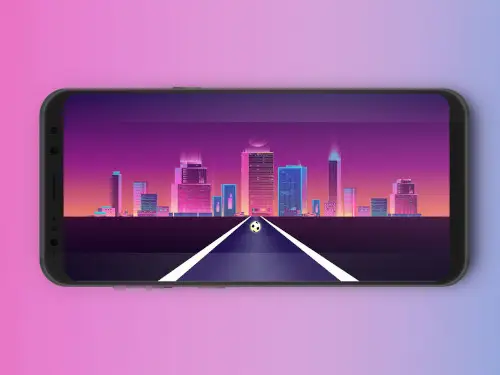
Scopri di più
Gioco.
50 $ USD in 9 giorni.

Scopri di più
Progettazione di imballaggi.
110 $ USD in 4 giorni.
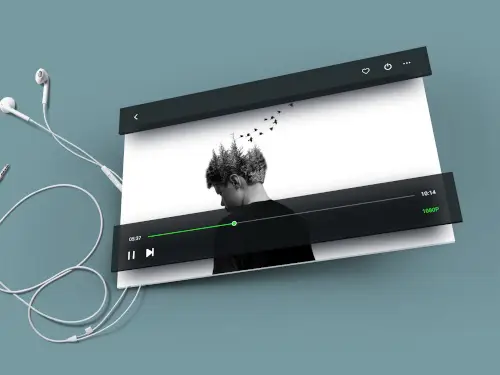
Scopri di più
Video musicale.
300 $ USD in 12 giorni.

Scopri di più
Progettazione di interni.
269 $ USD in 14 giorni.

Scopri di più
Poster.
100 $ USD in 3 giorni.
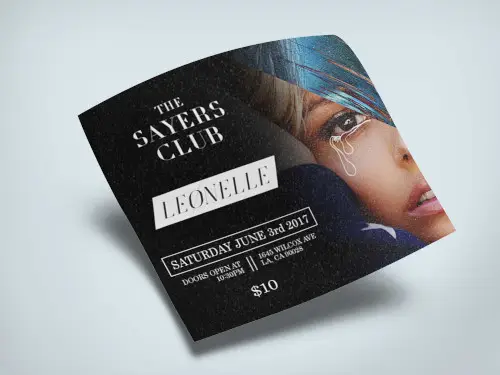
Scopri di più
Design di un volantino.
15 $ USD in 1 giorno.
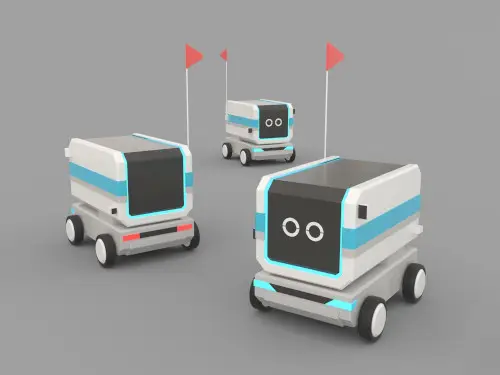
Scopri di più
Progettazione concettuale.
100 $ USD in 10 giorni.

Scopri di più
Pubblicazione sui social.
50 $ USD in 6 giorni.
Ne parla


La piattaforma di lavoro online più grande al mondo
Milioni di utenti, dalle piccole attività alle grandi imprese, dagli imprenditori alle startup, utilizzano Freelancer per dare vita alle loro idee.
73.1 milioni
73.1 milioni
di utenti registrati
23.7 milioni
23.7 milioni
di lavori pubblicati
Cerchi dei freelance per altri tipi di lavoro?
Grazie! Ti abbiamo inviato tramite email il link per richiedere il tuo bonus gratuito.
Non è stato possibile inviarti l'email. Riprova per piacere.



Impossibile copiare negli appunti. Riprova dopo aver modificato le tue autorizzazioni.
Copiato negli appunti.
Caricamento anteprima
Autorizzazione per la geolocalizzazione concessa.
La tua sessione è scaduta ed è stato effettuato il log out. Accedi nuovamente per piacere.